Working with Rongchengstone
20 mm vs 30 mm granite paving: which thickness carries a driveway
Thickness is the first question on granite paving enquiries - and the answer changes with traffic. This guide separates what 20 mm and 30 mm paving actually do under vehicles, where each fails, and how to write the thickness into a BOQ so the quote matches the site.
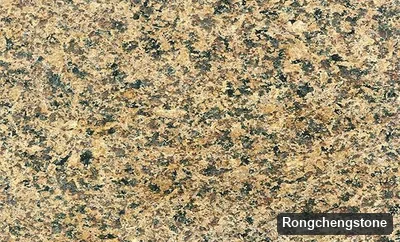
- Vehicle class first: cars only can stay 30 mm on a sound base; anything with a delivery schedule goes 30 mm plus a reinforced base or thicker.
- Colour follows thickness: light basalt and pale granite show hairlines sooner than dark dense stone, so thin formats never take coloured driveways.
- Finish is grip: flamed or bush-hammered faces only on anything a car turns on; polished driveway paving is a claim waiting to happen.
Quick answers
Is 20 mm granite ever right for a driveway?
Only over a reinforced concrete base with vehicle-classed jointing - and never for turning areas. For most residential drives 30 mm is the safer specification.
How much does 30 mm granite paving weigh?
Around 80 kg per square metre depending on the stone - weight drives the crate plan, so paving orders are quoted with the loading figure stated.
Which finish for outdoor paving?
Flamed or bush-hammered for slip resistance; sandblasted bands can add a tactile edge to pathways.
Send drawings, get a REF quotation
Drawings, BOQ or a material reference - quotation with crate plan and lead time within one working day.