HUB / Rongchengstone
Choosing a stone family starts with what the surface has to do
A hub for the full stone range. It explains how to choose between marble, granite, quartz, limestone, slate, sandstone, onyx, travertine and engineered stone by the decision each family asks for, and what each child page covers.
Current stock, dimensions and test data are provided on request against source documents.
Read this hub as a comparison of questions, not as a shelf of products. A buyer who opens it expecting a row of material names will miss the point, because what separates these families is not a price or a colour but the first decision each one forces. One stone is chosen for the way a vein travels across a panel; another for a grain that repeats quietly over a wide area; another because a binder makes its seams a drawing problem; another because open pores tie the finish to the weather. Once you know which of those questions your project is actually asking, the shortlist almost writes itself. The child pages that follow each own exactly one such decision, and this page explains the map so you can tell, before opening any of them, which door belongs to your job.
One family per page, each built around a different first decision
The range here is split so that no two pages answer the same opening question. Each category page takes one family and stays with the decision that family makes unavoidable, rather than repeating a general description of stone. That is why the pages do not read alike even though they sit side by side: the marble page is about vein continuity and the order of panels, the granite page about holding a tone across a batch, the quartz page about a bound slab and its seams, and the limestone page about porosity and finish. A reader who knows the question can go straight to the page that owns it. A reader who does not can use this hub to find the question first. The division is deliberate; a single generic page for all families would flatten decisions that genuinely differ.
Sorting the range into natural quarried stone and manufactured surfaces
The first broad cut through the catalogue is between material that comes out of the ground as a block and material that is assembled to a recipe. Quarried families carry the variation of a particular block: the tone, the figure and the structure belong to that object, so selection is an act of looking at real pieces. Manufactured surfaces are made with repeatability as the goal, so the meaningful questions move from which block to how a detail is reproduced across many identical units. This split is not a judgement about quality, and neither group is inherently better. It simply changes where the decision sits: with natural stone the sample is a reference drawn from a variable material, while with a bound surface the sample can stand for a batch. Knowing which side of the line a family falls on tells you what kind of approval to expect.
Veining-led families versus grain-consistent families
Two very different visual briefs separate the families that are chosen for movement from those chosen for an even rhythm. A veined stone earns its place where a surface is meant to be read as one composition, with the figure carried across adjacent panels deliberately; there the buyer is really selecting a sequence of slabs. A consistently grained stone suits the opposite case, where a large area or a long run of repeated units should read quietly and the eye should not be pulled to a single dramatic piece. Confusing the two is a common source of a disappointed installation: a striking sample approved for one panel cannot be expected to repeat across a whole floor. Stating which visual behaviour the design wants, a continuous figure or a steady grain, is one of the fastest ways to narrow this range to two or three families.
Porous and cleft families that are judged on finish and thickness
Some families refuse to be specified from colour at all, because their structure makes the surface treatment and the physical form the leading decisions. An open-pored sedimentary stone ties its finish to the service environment: filled or open, honed or textured, wet or dry are one coupled choice rather than three independent ones. A stone that splits along a natural cleavage asks an equally structural question, whether to keep the cleft face or calibrate the tile to an even thickness, and that single answer drives the laying system and the uses the material can serve. For these families a photograph of a pretty sample is close to useless. The decision is about how the face will behave where it lives, and it is settled on physical pieces before a cutting schedule is considered.
How a mixed-material schedule is split across the category pages
A real project rarely fits inside one family, and this hub is built for that. A scheme might want a veined stone in the entrance, an even-grained stone on the exterior and a bound surface in the working areas, which means several category pages are relevant at once. The pages stay separate because each family keeps its own first decision, but the combined schedule does not become several unrelated orders. It is assembled by reading each relevant page for the decision that family demands, then placing all of the lines on one brief. That way the vein matching, the batch reference and the seam drawing are each handled properly, while the approvals and the dispatch stay consolidated. The split is in the reading, not in the buying.
What to state so the right family is shortlisted in the written reply
The opening message does not need to name a family, and pretending to know one too early can close off better options. Describe the surface instead: where it sits, whether it is walked on or looked at, whether it gets wet, how it is cleaned and how far away it is normally seen. Say whether the design wants a continuous figure or a quiet, even grain, and mark any boundary between interior and exterior. If several materials are already under consideration, list them with the surfaces they belong to. From those conditions we can say which families are plausible, which pages to read, and where a sample decision will be needed, and we can record that reading in the written reply so both sides are working from the same shortlist.
Why a category shortlist collapses when use conditions arrive late
Photograph-led category shortlists rarely survive the first technical question. Unless the use case is written down first, wet exposure, cleaning routine, fixing method and viewing distance arrive late and quietly delete families a buyer had already grown attached to. Keep a shortlist note that records not only the families carried forward but the ones ruled out and the condition that ruled each out. That negative list is the part worth having: it explains a decision to a reviewer who was not in the room, and it stops a dropped family from being reintroduced later under a different name. Photographs are fine as a starting mood; they are not a decision record.
Comparison axes recorded in a dated family note
Family-comparison criteria are often applied without ever being stated, which leaves a later disagreement with nothing to check against. On a hub like this, the axes used to separate families, veining behaviour, grain regularity, pore structure, cleavage, bedding, and whether the surface is quarried or assembled, should be written into a comparison note. Each family is then marked against those axes by the person who made the call, and the note is dated. A reviewer can see that a porous sedimentary stone was set aside for a wet exterior because of its finish coupling, rather than because someone disliked its colour. Unstated criteria are the usual source of a shortlist that cannot be defended when the designer changes.
Sequencing family choice and availability before the drawing
Selection-axis sequencing matters more on a mixed schedule than on a single material. First the use case for each surface is fixed, because it constrains which families are plausible at all. Next the family shortlist is drawn against those constraints and recorded with its exclusions. Then the supplier is asked to confirm what is actually available from current blocks, since a shortlist built on an unavailable family is only a wish. The drawing is developed for the chosen families afterwards. Specifiers sometimes freeze a drawing against a family that was never confirmed available, and the whole panel schedule has to be rebuilt. Ask that availability and family choice appear in the same dated note.
Exclusions as the record that answers a later challenge
Shortlist exclusions, not approvals, are what settle most later disputes about a hub decision. Although it is tempting to file only the chosen family, the record that explains why another family was dropped is the one that answers a challenge after delivery. If a delivered panel reads differently from the approved sample, the comparison note shows whether the difference sits inside the agreed band or outside the family that was selected. Retain both the note and the sample it refers to, with the sample identified in writing. A shortlist remembered by eye cannot be checked; a shortlist written down with its axes and its exclusions can be, by anyone, long after the people who made it have moved on.
Material families
Material families
Each family has its own page with supply forms, finish options and typical applications.

Marble
Marble slabs, tiles and cut-to-size pieces for flooring, wall cladding, countertops and feature walls. Finish options and selection guidance from a si
View page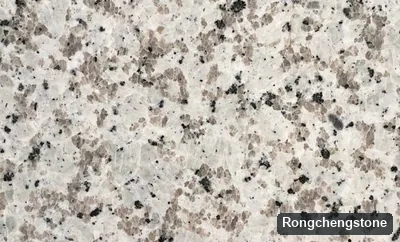
Granite
Granite for flooring, exterior paving, cladding, countertops and landscaping. Slabs, tiles and cut-to-size from one Chinese stone supplier.
View page
Quartz and engineered stone
Engineered quartz slabs and cut-to-size surfaces for countertops, vanities and commercial interiors. Consistent pattern and colour across a project.
View page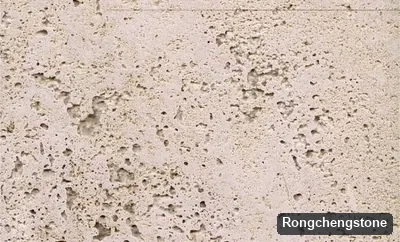
Limestone
Limestone tiles, slabs and cut-to-size for flooring, cladding and architectural detailing. Neutral tones and consistent texture from one supplier.
View pageTravertine
Travertine for flooring, wall cladding, bathrooms and hospitality interiors. Vein-cut and cross-cut options with finish selection support.
View page
Slate
Slate tiles and paving for roofing, flooring, wall cladding and landscaping. Natural cleft and calibrated options from one supplier.
View page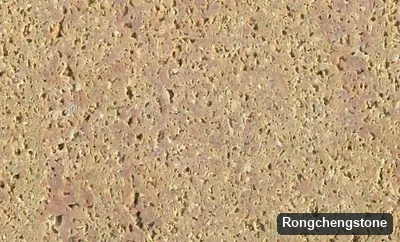
Sandstone
Sandstone for exterior paving, wall cladding and landscape architecture. Warm tones, sawn or natural surface, cut-to-size available.
View page
Onyx
Onyx slabs and cut-to-size panels for feature walls, reception desks and backlit applications. Selection by individual block.
View page
Engineered stone
Engineered stone surfaces for repeatable commercial fit-outs, countertops and vanity tops. Consistent batches and cut-to-size fabrication.
View pageTerrazzo surfaces for export projects: specifying a repeatable mix
How to specify terrazzo for an export order: describing the aggregate and matrix, freezing a sealed sample against a lot, and tracing any tonal shift
View pageExotic stone selection by individual slab: records before cutting
How exotic stone is bought slab by slab: a photographed inventory, book-matched pairs, backlighting review, and a dry-lay plan that ties each reserved
View pageSintered stone and large-format slabs: agreeing the fabrication boundary
How a sintered stone order is written: separating it from quarried stone in the purchase vocabulary, confirming format and surface, and agreeing cut,
View pagePrecast paving and patio pavers: agreeing shade, batch and site marks
How an outdoor paving order is agreed: wording slip and weathering behaviour, controlling shade across batches, zoning the laying pattern, and marking
View pageGrey speckled terrazzo on a continuous floor: holding an even grain across a large run
How to specify a grey speckled terrazzo floor for a large continuous area, request dry-lay photographs, fix a written lightness band and assign each s
View pageCream mottled terrazzo with a controlled tonal range: sampling, countersigning and zone grouping
How buyers approve a tonal range for cream mottled terrazzo, countersign a physical master sample, group slabs into visual zones and keep a repeat ord
View pageBlack speckled terrazzo on a dark ground: setting a written acceptance standard for surface variation
How to agree an acceptance wording for black speckled terrazzo, fix the viewing light, record chip contrast and trace any disputed slab back to its da
View pageA grey speckled onyx slab as a single numbered panel: matching photographs, drawings and loading lists
How to give a grey speckled exotic stone slab its own number and position, match its photograph to a loading-list line, and align crate marks and dest
View pageGrey fine-grained marble: planning slab sequence and veining continuity before cutting
How to assign a grey fine-grained marble surface across a room, request a numbered slab sequence in writing, and keep the veining consistent from the
View pageGold speckled granite slab for exposed and heavy-use settings: judging the batch before you book it
How to judge a gold speckled granite surface in daylight, hold one batch for an exposed or heavy-use run, and document the lot before delivery is book
View pagePale mottled quartz: taking a surface reference through to a countertop shop drawing
How a pale mottled quartz panel face becomes a written countertop specification, and which shop drawing, seam and cut-out confirmations to request bef
View pagePale fine-grained sandstone: setting a tonal range and a blended paving layout
How to agree an acceptable shade range and a weathered look for pale fine-grained sandstone, then build a blended setting-out plan buyers can sign off
View pageBrown clouded onyx for a backlit feature wall: agreeing the pattern before the panel is cut
How to specify a brown clouded onyx feature wall, agree the backlit appearance in writing, number each panel and reconcile the approved schedule with
View pageGold fine-grained engineered stone for a continuous counter run: holding one batch across every zone
How to keep a gold fine-grained engineered stone surface consistent across a long counter run, using a written lightness band, a batch reference per z
View pageBrown speckled engineered stone on a large floor: keeping the chip density even
How to specify a brown speckled engineered stone floor, check chip distribution in a dry-lay photograph, and hold the allocation, cutting direction an
View pageDark speckled marble for a paired wall: agreeing contrast and vein direction before cutting
How to specify dark speckled marble for a paired wall, record contrast in dated slab photographs, agree a numbered sequence and set a trial-layout sig
View pageGolden amber marble for a feature wall: agreeing the vein before any panel is cut
How to specify a golden amber veined marble feature wall, approve the dry layout in writing, number each panel and reconcile the agreed schedule with
View pageBlack terrazzo with white chips: keeping chip spread consistent across a floor
How to specify black terrazzo with bright white marble chips for a commercial floor, agree chip spread in writing, separate production zones and keep
View pageGrey and white stone with ink bands: deciding whether the pattern should mirror
How to specify pale grey and white stone with dark flowing bands, choose between a mirrored and a continuous layout, record direction on the drawing a
View pageBeige speckled granite for exterior paving: agreeing shade lots in writing
How to specify beige speckled granite for an exterior route, agree shade variation in writing, keep lots in separate laying zones and preserve a repla
View pageReading a Warm Speckled Granite at Room Scale
A designer's note on a warm beige-gold speckled granite: how its even grain reads at room scale, behaves beside oak and brass, and settles into a long
View pageA Lighting Note on a Near-Black Fine-Flecked Granite
A lighting note on a near-black fine-flecked granite: how a low-contrast dark plane behaves under flat light, grazing beams, night lamps and reflected
View pageReading a blue grey blotched granite board before the first cut
A slab-layout reading of blue grey blotched granite: large soft-edged navy pools on a pale cool ground, high contrast, and the placement of one domina
View pagePlanning a joint across broken fragments in white dark-breccia marble
A fabricator's note on white dark-breccia marble: an off-white ground broken into angular dark grey and black fragments laced with fine pale seams, an
View pageGrey black-cluster marble, read as a field of uneven dark groups
A selection note on grey black-cluster marble: how scattered black groups and soft white clouds make one board feel calm in one place and busy in anot
View pageGrey gold-veined marble, considered as a question of direction
A direction note on grey gold-veined marble: thin gold and white branching veins form a loose diagonal network that shapes how a mitred edge or a wate
View pageSpecifying a warm grey fine speckle as one continuous surface
A consistency note on a near-uniform warm grey fine speckle, written for anyone laying out a long uninterrupted run. Read how an even field behaves be
View pageLiving with a flat near-white surface in strong daylight
A maintenance note on a flat near-white surface, written for someone who will live with it under strong daylight. Read how a blank field handles marks
View pageHoney Fine-Chip Engineered Stone: Reading a Warm, Saturated Field
A colour-temperature reading of a golden honey engineered-stone surface, written for anyone weighing a saturated warm chip field against the lamps and
View pageBlue Gold Banded Onyx: Reading Flow, Bands and Backlight
A backlighting reading of a blue, teal and gold banded onyx, written for anyone specifying a flowing feature panel rather than a working surface.
View pageA Checkerboard Square Tile Mosaic Read as a Floor Assembly
A designer looks at a checkerboard square tile mosaic built from many small cream, brown, grey and black units with visible grout lines, and how its r
View pageSage Green Veined Onyx for a Small Vanity Top
A close viewing note on sage green veined onyx, where fine reddish-brown diagonal lines drift across a soft green-grey ground, written for someone cho
View pageGreen layered sandstone, read by the way its bands travel
An orientation note on a green-grey layered surface, written for anyone cladding a vertical face and deciding which way the horizontal bands should ru
View pageCream uniform-grain sandstone, read through the hand
A tactile note on a pale cream surface with a fine, even sand grain, written for someone who cares how a matte face feels under the fingertips in stro
View pageReading A Grey-Brown Granular Face Beside Cool Steel
A tone note on a muddy grey-brown granular face: dense fine grain, no directional pattern, matte light absorption, and how the muted field behaves bes
View pageDeciding Where A Cut Edge Falls Beside One Large Rust Chip
A scale note on a reddish field of large angular cream and rust chips: terrazzo-like aggregate, chip density in a small offcut, honed edges, and how a
View pageContinue from here
Where natural stone leads next
Each link below opens a page that answers one specific buying question.
Where the surface is used
What we can fabricate
Collapse
Reading natural stone against the rest of the schedule
Which test reports should I ask a stone supplier to provide? | How do I verify a stone supplier in Ningbo before the first container order? | Why would a buyer source stone through Ningbo rather than a quarry cluster?
A hub for the full stone range. It explains how to choose between marble, granite, quartz, limestone, slate, sandstone, onyx, travertine and engineered stone by the decision each family asks for, and what each child page covers.
Pick a route
Start from the question you need to answer
Engineered stone
Engineered stone surfaces for repeatable commercial fit-outs, countertops and vanity tops. Consistent batches and cut-to-size fabrication.
What this page settles
Engineered stone is answered against the written brief rather than a general description of the material range.
Exotic stone selection by individual slab: records before cutting
How exotic stone is bought slab by slab: a photographed inventory, book-matched pairs, backlighting review, and a dry-lay plan that ties each reserved piece to a position.
What this page settles
Exotic stone selection by individual slab: records before cutting is answered against the written brief rather than a general description of the material range.
Granite
Granite for flooring, exterior paving, cladding, countertops and landscaping. Slabs, tiles and cut-to-size from one Chinese stone supplier.
What this page settles
Granite is answered against the written brief rather than a general description of the material range.
Stone stairs and treads
Stone stair treads, risers and landings: cut-to-size fabrication, edge detail, anti-slip treatment and veining direction across a flight.
What this page settles
Stone stairs and treads is answered against the written brief rather than a general description of the material range.
Stone wall cladding
Stone wall cladding guidance: fixing systems, panel sizing, veining continuity, book-matching and interior versus exterior finish selection.
What this page settles
Stone wall cladding is answered against the written brief rather than a general description of the material range.
Cut-to-size fabrication
Cut-to-size stone fabrication from shop drawings: dimensional cutting, edge work, cut-outs, sequencing and dry-lay checks.
What this page settles
Cut-to-size fabrication is answered against the written brief rather than a general description of the material range.
Process
How an order moves, stage by stage
Surface finishes
Guide to stone surface finishes: polished, honed, flamed, bush-hammered, brushed, tumbled and sawn, and where each is normally specified.
Read the stage
The scope for this stage is confirmed in writing against the current source documents for the order.
Cut-to-size fabrication
Cut-to-size stone fabrication from shop drawings: dimensional cutting, edge work, cut-outs, sequencing and dry-lay checks.
Read the stage
The scope for this stage is confirmed in writing against the current source documents for the order.
Export packing and shipping
Export packing and shipping for stone: crate design, protection, loading sequence, marking and the documents that accompany a shipment.
Read the stage
The scope for this stage is confirmed in writing against the current source documents for the order.
Quality control and inspection
How stone orders are checked: visual consistency, dimensional verification, finish review, numbering and pre-dispatch inspection records.
Read the stage
The scope for this stage is confirmed in writing against the current source documents for the order.
Buyer questions
Questions answered on their own pages
How should Incoterms and payment terms be set for a first stone order?
How do I arrange a pre-shipment inspection for a stone container?
Is Rongchengstone the same as Rongcheng in Shandong?
How do samples and approved drawings control a cut-to-size stone order?
Enquiry
Prepare the brief before you write
No receiving service is attached to this form. Select the brief below and copy it into the channel you already use with us; scope is confirmed in a written reply.
Common questions
Questions buyers ask
Do I have to pick a stone family before I read these pages?
No. This hub exists precisely because the family is usually the output rather than the input. Start from the surface: its location, its exposure, how it is used and whether the design wants a flowing figure or an even grain. Those conditions point to the decision a family must answer, and from there to two or three plausible pages. A use case such as a wet exterior terrace narrows the field before any name is chosen. The family emerges after samples are reviewed, not before you begin reading.
What is the practical difference between a natural and a manufactured surface here?
It is about where the decision sits. A quarried block varies from piece to piece, so the sample is a reference drawn from a variable material and the actual slabs have to be chosen and allocated. A manufactured surface is built for repeatability, so the sample can stand for a batch and the conversation moves to how one edge, joint and cut-to-size detail is reproduced across many units. Neither is a ranking of quality. Both are shortlisted against the same use case; they simply demand different approval habits.
Will one category page cover a project that mixes marble and granite?
No single page will, and that is intentional. Each family keeps its own page because each asks a different first decision: the marble page settles vein continuity and panel order, the granite page settles how a tone range is held across a batch. Read both, apply each decision to its own material, then place the whole combined schedule on one written brief. That keeps the approvals and the load consolidated while making sure neither family's particular question is skipped.
Should the shortlist record the families we rejected as well as the one we chose?
Yes, and the rejected list is often the more useful half. A note that names each excluded family and the condition that removed it lets a reviewer reconstruct the decision without having attended the meeting. It also stops a dropped material from reappearing later under a trade name that sounds different. Ask for exclusions to be dated and tied to the sample set in use at the time. Approvals describe an outcome; exclusions explain the reasoning behind it.
Who confirms a family is actually available before the drawing is developed?
The supplier should confirm availability from current blocks, in writing, before a shop drawing is built around that family. A specifier can shortlist a material that looks right on paper; only the party holding the blocks can say whether it can be allocated to the order. Ask for that confirmation to sit in the same dated note as the family choice, so the drawing is never frozen against a wish. If availability shifts later, the amendment gets its own date.
Bring the whole material schedule into one enquiry
Tell us the application, material family, finish, format and destination. We reply with the scope as we understand it, current availability and the documentation your project needs.
Contact Rongchengstone